The Ground Beneath Your Feet Is More Than Dirt
In construction, the saying “What lies beneath is as important as what stands above” could not be truer. Before any project whether a modest home in Kampala or a sprawling commercial complex in Nairobi can safely rise, understanding the soil and subsurface conditions is paramount. This understanding comes from geotechnical surveys, a specialized engineering process that assesses the physical properties of the soil, rock, groundwater, and other subsurface conditions on a construction site.
Yet, in many parts of East Africa, these surveys are often underestimated or skipped, leading to unfinished buildings, cost overruns, or worse catastrophic failures that risk lives. This article explores why geotechnical surveys are a crucial step in construction, their regional and global significance, real-world examples, and a simple checklist to guide you before your next build.
What Are Geotechnical Surveys?
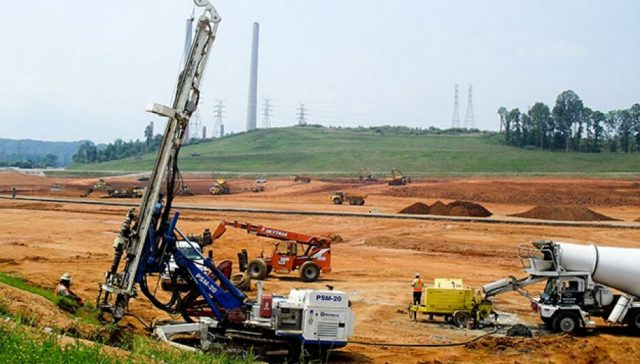
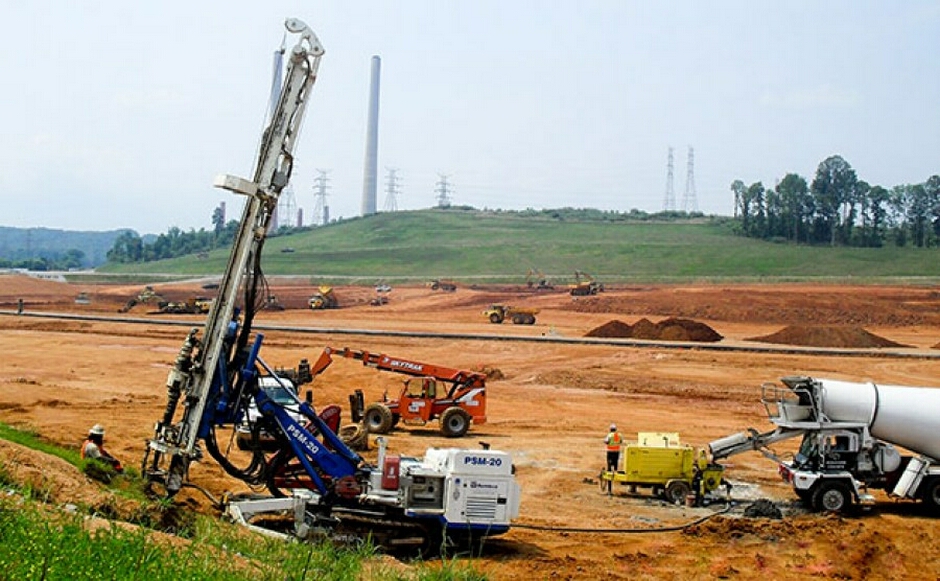
Simply put, geotechnical surveys involve drilling, sampling, and testing the ground beneath a site to evaluate its suitability for construction. These surveys reveal:
- Soil composition and strength
- Groundwater levels
- Risk of landslides, erosion, or subsidence
- Bearing capacity (how much weight the ground can safely support)
The results inform engineers on how to design foundations that will hold steady for decades, resisting shifts or failures.

Regional Significance: Why Uganda and East Africa Must Prioritize Soil Testing
Uganda’s diverse geology from the volcanic soils of western Uganda to the clay-heavy soils around Kampala creates complex challenges. Soil unsuitable for certain foundations, if ignored, causes cracks, settlement, and structural failure.
Many homes in rapidly urbanizing suburbs were built without adequate geotechnical surveys, resulting in:
- Cracks in walls and floors
- Uneven settling leading to unsafe living conditions
- Abandonment of unfinished properties due to escalating repair costs
A clear example is the Kasubi neighborhood in Kampala, where several residential buildings experienced significant cracking and were later deemed unsafe because foundational assessments were inadequate. (Source: Uganda National Building Control Board, 2023)
Global Lessons: When Skipping Geotechnical Surveys Costs Lives and Billions
- Mexico City, 1985 Earthquake
Despite modern engineering, Mexico City suffered catastrophic building collapses during the earthquake, partially because the city’s soft lakebed soils amplified seismic waves. Geotechnical assessments could have guided better foundation designs to withstand these forces. (USGS Report, 1986) - Fukushima Nuclear Disaster, Japan, 2011
Pre-construction geotechnical studies underestimated the risk of tsunami-triggered soil liquefaction, contributing to the structural failure of backup power systems critical for reactor cooling. (IAEA Report, 2012) - Hyatt Regency Walkway Collapse, USA, 1981
Although not a soil failure case, it exemplifies the broader lesson of the cost of engineering oversights. Structural design flaws led to 114 deaths and $140 million in damages, emphasizing that thorough site and structural assessment is non-negotiable. (NIST Report, 2009)
How Geotechnical Surveys Protect Your Investment
- Prevent Costly Repairs: Early identification of soil problems allows for foundation designs that prevent future damage.
- Improve Safety: Properly designed foundations reduce risks of collapse or subsidence.
- Ensure Regulatory Compliance: Building codes increasingly mandate soil assessments for permits.
- Enhance Property Value: Structures built on solid foundations command better resale prices.
A Simple Geotechnical Survey Checklist Before You Build
- Is the site new or previously developed? New developments especially need full testing.
- Has the soil been tested for load-bearing capacity? If not, plan to do so early.
- Are there water table or drainage concerns? High water tables can weaken foundations.
- Have there been previous structural issues on-site? Unfinished or cracked buildings are red flags.
- Is the site on a slope or near a fault line? These increase risks and need specialized studies.
- Are local regulations being followed? Confirm with Uganda’s Building Control Board or local authorities.
- Have you involved experienced geotechnical engineers? Their expertise ensures proper testing and interpretation.
Relatable Scenario: The Perils of Ignoring Soil Tests
Imagine a family that begins construction on their dream home in a growing Kampala suburb. The builder skips the soil test to save costs. Years later, cracks appear in the walls and floors. Water begins to seep in during rains. Repair estimates soar, but the damage is structural. Eventually, the family abandons the house, having lost their investment.
This scenario is all too common but with geotechnical surveys, such risks become manageable and predictable, safeguarding both families and investors.
Conclusion: Foundations for Success
The value of a geotechnical survey goes far beyond soil science it is the foundation of safe, economical, and sustainable construction. In Uganda and the broader East African region, where urban expansion is rapid and geology complex, these surveys are not a luxury but a necessity.
At Meak Construction, we prioritize comprehensive geotechnical assessments for every project to ensure lasting quality and client peace of mind. As the industry grows, so must the standards that protect investors, occupants, and the urban fabric itself.